
OG Trail - Travel to Oregon
UserLAnd TechnologiesEducational
4.1276.00 Reviews
- Version
- 25.12.05
- Installs
- 10.00K
- Age Rating
- Everyone 10+
Screenshots
Our Review of OG Trail - Travel to Oregon
 Analysis by Appyee
I approach OG Trail - Travel to Oregon as a compact educational game built around the pleasure of planning a difficult journey, not as a modern action adventure. Its appeal is the steady stream of practical choices: what to carry, when to stop, and how much risk to accept. That makes it a good fit for short sessions when I want something thoughtful and familiar rather than a game that demands constant attention.
Where this Android version stands today
This is a paid Android game from UserLAnd Technologies, priced at $1.99, and it sits in the educational category. The game has a 4.4 average from around 449 ratings, with over 10,000 installs, which suggests a modest but engaged audience rather than a huge mainstream following. Its age rating is Everyone 10+, so I’d expect the historical survival premise and its setbacks to suit older children and adults better than very young players.
The current version is 25.12.05, while the game’s release date is April 12, 2024. Those details tell me this is a product that has continued beyond its initial release, but they don’t, by themselves, prove what changed between versions. I’d treat the current build as the one to evaluate, not assume a particular feature arrived in a recent update. For someone who already played an earlier build, the sensible question is whether the game still delivers the same decision-focused trip, rather than expecting a documented overhaul.
What the familiar format asks of you
Instead of rewarding quick reactions, the game asks you to think in terms of trade-offs. A supply that seems useful now may leave you short of something more important later; moving quickly can save time but may put the party under extra strain. I like that this basic rhythm makes each choice understandable even when the consequences are uncomfortable. It gives the experience an educational flavor without turning every moment into a lesson or a history quiz.
One practical way to approach a run is to decide what matters most before setting out: arriving with the whole party, keeping enough supplies for emergencies, or simply seeing how far a more daring plan can get you. That small self-imposed goal makes repeat attempts more interesting, because you can judge your decisions by a clear standard instead of treating every setback as a failure. It also helps younger players talk through why a choice seemed sensible at the time and what they might change next time.
Who will enjoy the slower pace
I’d recommend it to people who remember the classic trail format, families looking for a game that can prompt conversation, and anyone who enjoys resource management more than reflex challenges. It can also work as a low-pressure shared activity: one person can read the situation while another suggests whether to conserve, rest, or take a risk. The discussion is part of the fun, especially when there is no obviously perfect answer.
It is less suitable if you want a polished, fast-moving adventure with elaborate presentation, continuous action, or a large catalogue of modern progression systems. Players who dislike losing progress after a poor decision may also find this kind of survival planning unforgiving. In that case, a story-driven educational game with fixed chapters may be a better choice, since it can deliver information without asking you to manage a precarious expedition.
Setting Off on the Trail
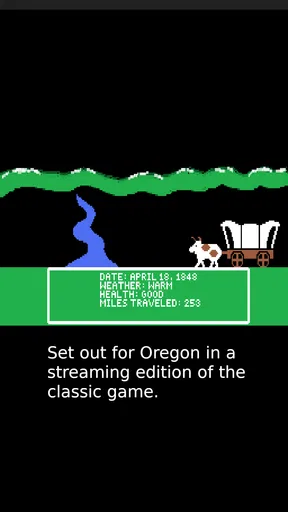
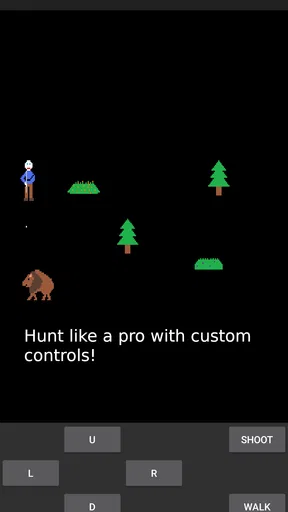
I have to admit, starting off in OG Trail - Travel to Oregon brought back memories of childhood afternoons spent strategizing my way to the west. The app captures that old-school vibe with pixelated graphics that pay homage to the original game. Once you fire it up, you’re greeted with a simple, yet effective, interface that doesn’t overwhelm you with unnecessary bells and whistles.
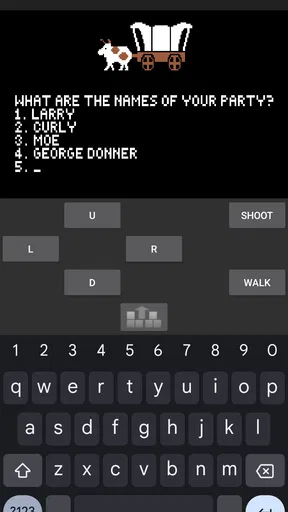
Choosing your party members is the first step. Each character has unique skills that can affect your journey. Want someone who can fish when food supplies run low? Or maybe a doctor to patch up wounds? Decisions, decisions! The app does a fantastic job of making each choice feel significant.
The Journey Begins
As you embark on your trek, you’ll face a series of challenges that require careful management of resources. Food, ammunition, and medical supplies are just a few things you need to keep an eye on. The weather can be unpredictable, and the app’s dynamic system keeps you on your toes. One minute you’re enjoying clear skies, and the next, you’re caught in a storm. Talk about a wild ride!
Random events pop up along the way, too. You might encounter friendly travelers offering trades or run into trouble with local wildlife. It’s these unexpected encounters that keep the game fresh and engaging. I found myself genuinely invested in the well-being of my digital pioneers, hoping they’d make it to Oregon without too many bumps and bruises.
Playing in brief windows of time
A realistic way to fit this kind of game into a day is to play a stretch during a lunch break, pause to think about your next decision, and return later when you have a quieter moment. I wouldn’t start a run when I only have a few seconds to spare: the appeal comes from weighing choices, and rushing through them makes the resource decisions feel arbitrary. If you’re sharing a phone with a child, taking turns proposing a choice before tapping it can turn the journey into a simple exercise in reasoning rather than passive screen time.
For a first attempt, I’d avoid trying to optimize everything at once. Pick one priority, such as keeping the party in good condition, and notice which decisions support it. On a later run, experiment with a different priority. This gives you a useful comparison between strategies without needing a guide or treating the game like a puzzle with one hidden correct answer. The trade-off is that players who want explicit tutorials or a tightly scripted learning path may prefer a more structured educational title.
Strategic Stops and Survival
Stopping at trading posts is crucial. Here, you can barter for essential supplies and get a much-needed break from the relentless journey. The app does a great job of balancing the difficulty, making it challenging enough to keep you engaged but not so hard that it becomes frustrating. Planning your stops and rationing supplies wisely can mean the difference between success and failure.
What I really appreciate about OG Trail - Travel to Oregon is how it encourages you to think ahead. Will you push through the night to make up time or rest to keep your party healthy? Every decision has weight, and sometimes, you’ll have to make the tough call.
Small decisions with longer consequences
When a stop offers a chance to trade, I’d look at the whole situation rather than automatically buying whatever appears useful. A tempting item is only a good deal if it answers a problem your party is likely to face and doesn’t leave you exposed elsewhere. That kind of check is more valuable than trying to memorize a universal shopping order, because the condition of the party and the supplies you already have shape what counts as sensible.
It also helps to treat a setback as information. If a run goes badly, think back to the last decision that narrowed your options: perhaps you spent too freely, pushed on when the party needed rest, or gave too little weight to an uncertain event. I find that reviewing one or two choices is more useful than restarting immediately and repeating the same plan. The game’s educational value is strongest here: it lets consequences make planning tangible without needing a lecture.
How it compares with other educational games
Compared with quiz apps, this is a more hands-on way to engage with learning: you make a chain of decisions and see how they affect a journey, rather than answering isolated questions for a score. Compared with contemporary narrative adventures, it is also deliberately leaner. The familiar pixel look and management focus put the emphasis on imagination and judgment, not cinematic presentation. That is a strength if you want a game you can discuss together, but a limitation if you expect extensive storytelling or a large amount of visual spectacle.
The price matters in that comparison. At $1.99, I’d consider it a small one-time entertainment purchase for someone who already likes this style of simulation, not an automatic pick for every learner. If you mainly want classroom-style instruction, a dedicated history resource may serve that purpose more directly. If you want the pleasure of weighing supplies and accepting consequences, this has a more distinctive reason to be on your phone.
What the version history can—and cannot—tell you
The release date and current version provide a useful point of reference for buyers, especially anyone comparing notes with a friend who installed the game earlier. But version numbers are not a substitute for a clear change log, and I wouldn’t infer new mechanics or a redesigned interface from the number alone. Existing players can approach the current build as the available edition of the same trail experience, while new players can judge it on the choices and pacing they encounter now.
What I’d watch for in future releases is practical rather than flashy: clearer explanations around decisions, smoother onboarding for newcomers, and improvements that make it easier to understand why a plan succeeded or failed. Those would help both returning players and families using the game as a conversation starter. Until then, the strongest reason to play remains the core loop of preparing, adapting, and learning from consequences—not an assumption about features that may or may not arrive.
Reaching the Final Destination
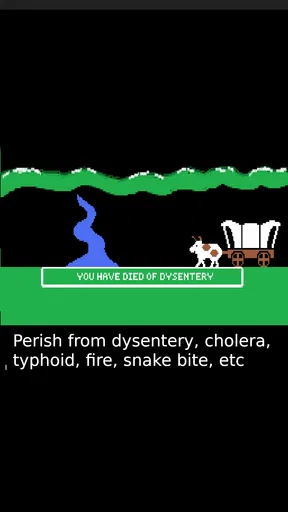
After days of managing resources, navigating obstacles, and enduring hardships, reaching Oregon feels like a genuine triumph. The sense of accomplishment is palpable, and it’s a testament to the app's ability to engage players emotionally. Whether your party arrives intact or with a few losses along the way, each journey feels unique.
In conclusion, OG Trail - Travel to Oregon is a delightful throwback to a beloved classic, offering both nostalgia and fresh gameplay elements to keep modern players hooked. Its charming graphics, strategic depth, and engaging mechanics make it a must-try for fans of the original and newcomers alike. So, gather your party and see if you have what it takes to conquer the trail!
Verdict
Strengths of OG Trail - Travel to Oregon
- Engaging historical storyline.
- Intuitive interface with easy navigation.
- Rich, detailed graphics enhance gameplay.
- Wide variety of challenges and tasks.
- Educational content for all ages.
Limitations of OG Trail - Travel to Oregon
- Occasional bugs disrupt gameplay.
- In-app purchases can be pricey.
- Requires stable internet connection.
- Limited character customization.
- Some levels feel repetitive.
Other Releases by UserLAnd Technologies
View All
GIMP
Art & Design3.2

Inky - Run Inkscape on Android
Art & Design2.8
Similar Picks in This Category
View All
Little Panda Policeman
BabyBus4.0

Monster Trucks Game for Kids 2
Raz Games4.1

Little Panda's Chinese Recipes
BabyBus4.4

Little Panda's Restaurant
BabyBus4.4

Little Panda's Ice Cream Games
BabyBus4.3

Baby Panda Care
BabyBus3.8
Frequently Asked Questions
What is OG Trail - Travel to Oregon about?
OG Trail - Travel to Oregon is a mobile game that offers a modern twist on the classic Oregon Trail experience. Players embark on a journey to the west, managing resources, facing challenges, and making strategic decisions to ensure their group's survival. The game combines historical elements with engaging gameplay mechanics.
Is OG Trail - Travel to Oregon available for both Android and iOS?
Yes, OG Trail - Travel to Oregon is available for download on both Android and iOS platforms. Users can find the game on the Google Play Store and the Apple App Store. Ensure your device meets the minimum system requirements for the best gaming experience.
What are the main features of OG Trail - Travel to Oregon?
OG Trail - Travel to Oregon features a blend of strategy and adventure with historical accuracy. Players can expect diverse challenges, resource management, and decision-making scenarios. The game also offers customizable characters and a variety of routes, enhancing replayability and player engagement.
Are there in-app purchases in OG Trail - Travel to Oregon?
Yes, OG Trail - Travel to Oregon includes in-app purchases. Players can purchase additional resources, special items, or unlock premium features to enhance their gaming experience. While the game can be enjoyed without spending money, purchases can help players progress more quickly through challenging sections.
How does OG Trail - Travel to Oregon handle player progress and saves?
OG Trail - Travel to Oregon automatically saves your progress at key points during the journey. Additionally, players have the option to manually save their game. This ensures that you can return to your adventure without losing progress, making it convenient for mobile gamers who may need to pause frequently.
Play our best games!


